AC Capacitor: Cost To Repair
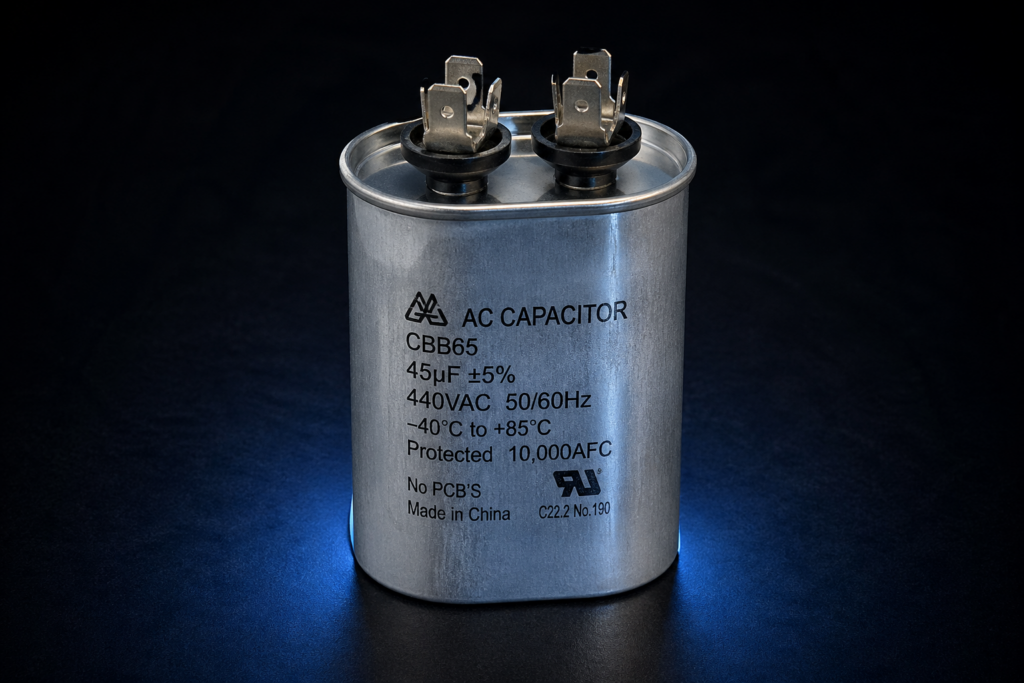
An air conditioning capacitor is a small component with a big job. Your AC unit is connected to your home’s electrical system. But a strong “jump start” jolt of energy is necessary to start a high-powered, whole-house air conditioner. Home wiring can’t provide enough electricity to kickstart your AC’s motor. That’s what the AC unit capacitor does; it stores electricity and releases a burst of power to start the AC system.
You can buy an AC unit capacitor for anywhere from $10 to $80. If your unit is still under warranty, the part might be free, but there may be a charge for labor.
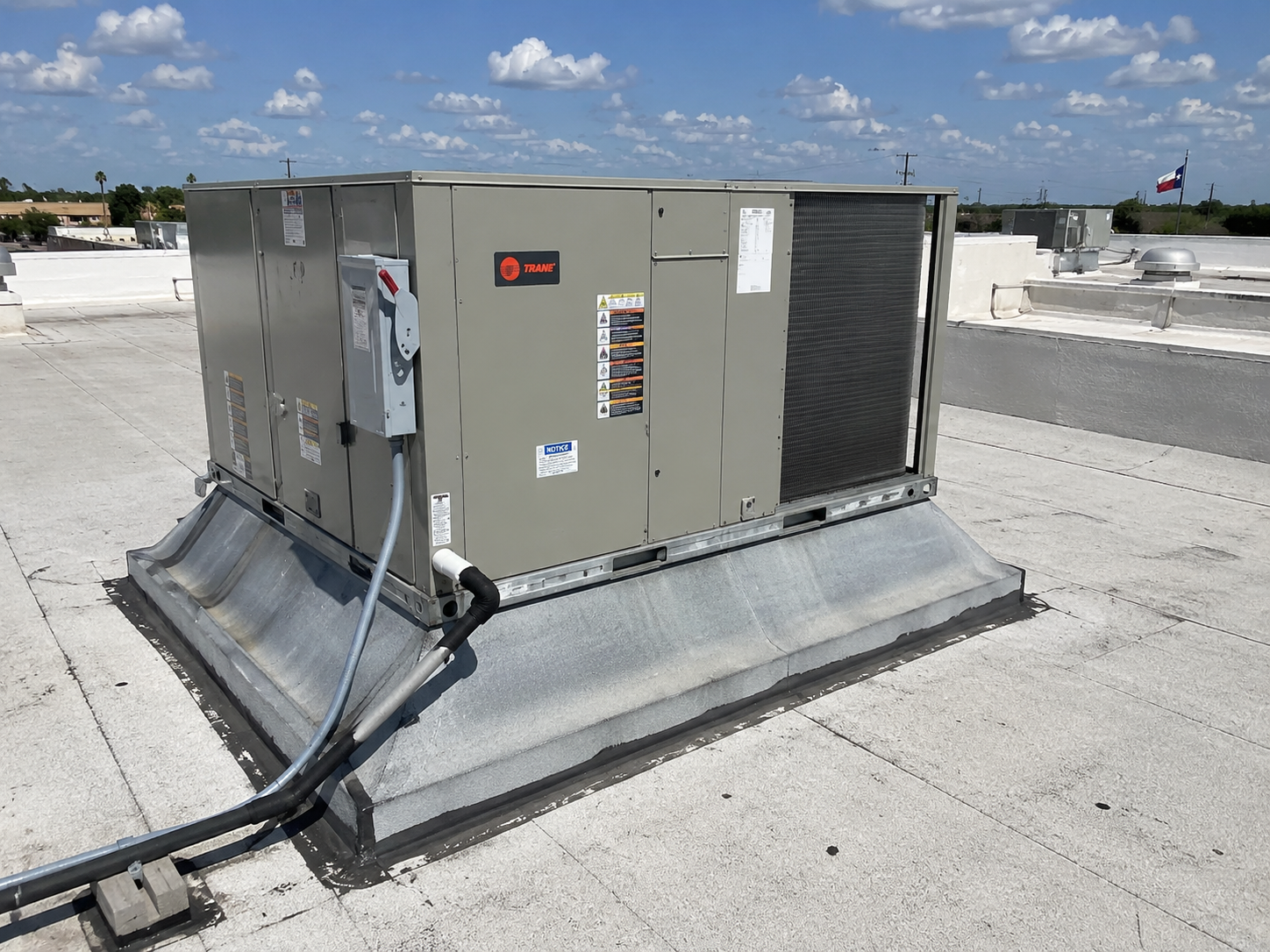
For example, Trane® heating and air conditioning systems are known for dependability and energy efficiency: A licensed, NATE-certified HVAC (heating, ventilation, air conditioning) technician can replace a Trane AC unit capacitor in approximately one hour for about $200-$400, including labor and service fees. (Average AC repair labor charges are between $75-$150 in the Houston area.)
AC unit capacitors are hard-working components. If yours malfunctions, especially during summer in Texas, you’ve got a problem.
About AC Unit Capacitors
An AC capacitor’s efficiency is measured in microfarads (MFD or µF) and voltage. Higher voltage moves a faster current of electricity. The microfarads represent how much electrical current the capacitor can store. Most are 5-80 MFD.
The capacitor may look like a battery, but it’s not. You can’t open your AC unit and simply remove a bad capacitor and pop in a new one. It’s also a dangerous device with high voltage that, if touched or tampered with, can cause serious injury or even death. That’s why working with an AC unit capacitor is never a DIY job. You need a licensed, experienced HVAC professional if you suspect a capacitor malfunction.
Older HVAC units may have two single capacitors: a start capacitor and a run capacitor. The start capacitor delivers the energy jolt the AC compressor motor needs to start the cooling process. Once your AC unit gets its jump start, the run capacitor takes over. It stores the energy required to keep the motor going and the air cooled. If one of these capacitors fails, your AC professional may suggest a dual capacitor.
Most newer HVAC models have a single, dual start/run capacitor in the outdoor unit. Dual capacitors offer convenience and save space in HVAC units. Later, they are easier for HVAC technicians to replace.
Do You Need a New AC Capacitor?
An AC capacitor can be damaged if debris hits it, leading it to malfunction. Other reasons why you may need a new capacitor include:
- Age
- Electrical short-circuiting
- Long-term, extremely hot temperatures that cause the capacitor to overheat
- Poor maintenance
- Power surges
Unfortunately, there are less-than-honest HVAC companies and unscrupulous AC technicians. Unnecessarily replacing an AC capacitor can be a fast, high-profit repair for unsuspecting customers, so beware of scams.
Signs an AC capacitor is bad or malfunctioning are:
- AC occasionally shuts off on its own
- Burning smell, smoke
- Cooling cycle takes too long
- Energy bills spike
- Humming noise
- No cool air during AC cycle
…But those symptoms can also indicate other air conditioning problems completely unrelated to your AC capacitor.
If your HVAC was running fine and during a routine inspection, the technician says it “looks like it’s about to go out,” get a second opinion, especially if the quote to replace is over $300.
If the AC specialist claims your capacitor needs to be replaced:
- Ask to see the multimeter reading, then check the label’s microfarad rating. If the reading is 5%-10% of the microfarad rating, the capacitor is okay.
- Visually inspect the capacitor. The top of a bad capacitor probably looks swollen. It can also be cracked or show signs of an oil leak.
A clean, flat AC capacitor is likely okay. If you decide to replace the capacitor, tell the technician to leave the old part with you and inform her/him you’ll take it to another company for inspection.
Country Air: Quality, Comfort, Trust
Are all AC unit capacitors created equally? No, some capacitors are badly manufactured, using no quality-control regulations.
Country Air HVAC experts use only high-quality capacitors made of premium materials for greater strength and longer lifespans. We choose replacement capacitors that meet or surpass OEM (original equipment manufacturer) standards.
Obviously, we match the capacitor specs to your AC unit requirements. But capacitors also have various voltage ratings. Installing an inadequate capacitor can cause overheating.
High-performance brands are durable and long-lasting. Country Air trusts established 5-star manufacturers, so you can trust Country Air. We believe your cooling and heating system is more than an appliance; it’s part of your investment in a comfortable, safe home or office. If you’d like to preserve and protect your home, we recommend twice-a-year maintenance as a solid, money-saving opportunity.
Maintenance keeps your HVAC system operating longer, with optimal efficiency and fewer repairs. To find out about customized Comfort Club maintenance plans, contact Country Air today.
FAQs
Two frequently asked questions we receive about AC unit capacitors are:
Q: How long should an AC capacitor last?
A: AC unit capacitors can last 10-20 years. A lot depends on maintenance and usage.
Q: Will the AC compressor/motor start if the run capacitor is bad?
A: It’s like running a race with one shoe. It might be a shaky start if it starts at all, but it won’t keep going very long. The AC motor will run hot, make a humming noise, or shut down almost immediately.