Commercial Refrigeration Quick Guide
Commercial refrigeration is used by businesses that handle perishable goods. Food and beverage vendors, chemical companies, cold storage businesses, energy providers, and pharmacies/pharmaceuticals need reliable commercial refrigeration solutions. Heating, ventilation, and air conditioning (HVAC) companies also use commercial refrigeration systems to integrate into larger climate control units or to provide specialized services to establishments that depend on commercial refrigeration.
Types of Commercial Refrigeration
Industries need heavy-duty refrigeration solutions. But commercial refrigeration is frequently scaled to accommodate medium-to small-business cooling. Commercial refrigeration systems can include:
- Back-bar coolers
- Deli cases
- Display cabinets
- Draft beer systems
- Drop-in coolers
- Plug-in vending machines
- Prep tables
- Rack refrigerators
- Reach-in cases/refrigerators
- Undercounter refrigerators
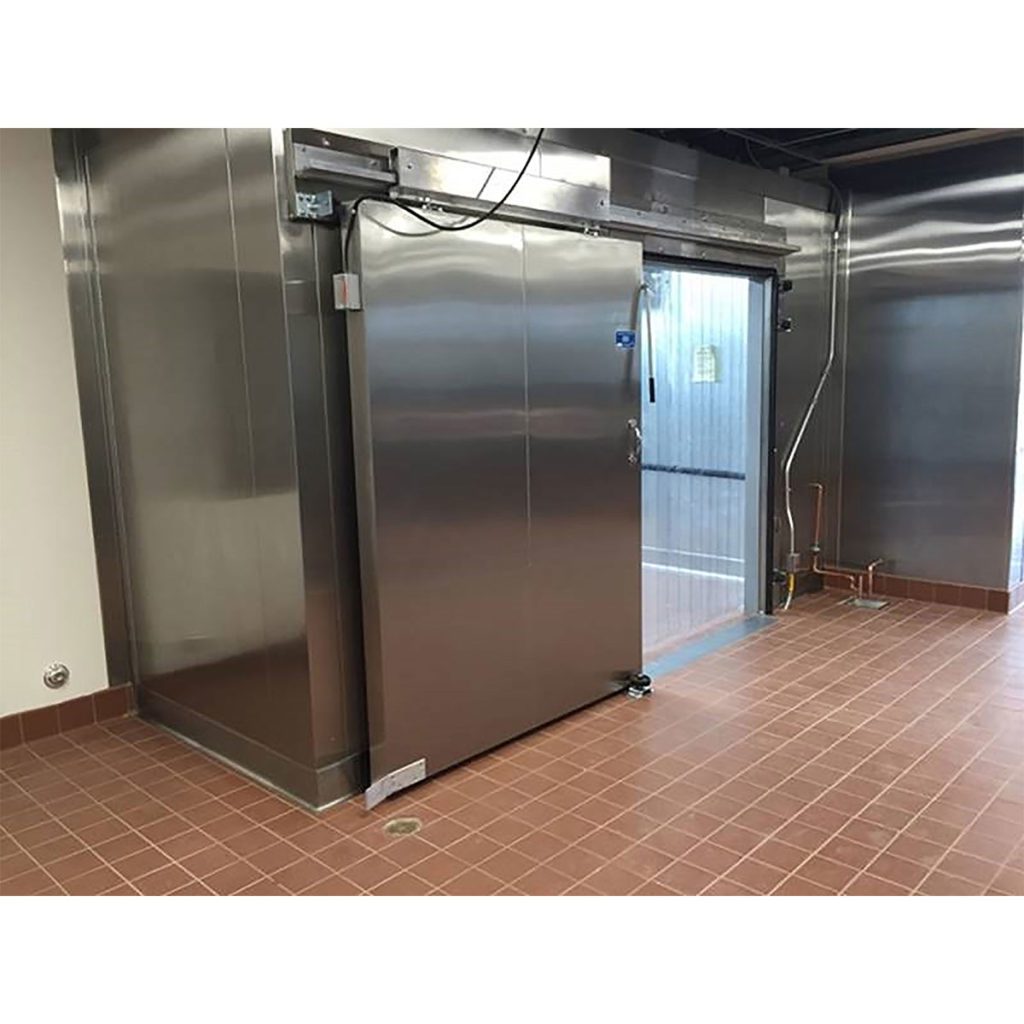
- Walk-in coolers
Commercial Refrigeration Components
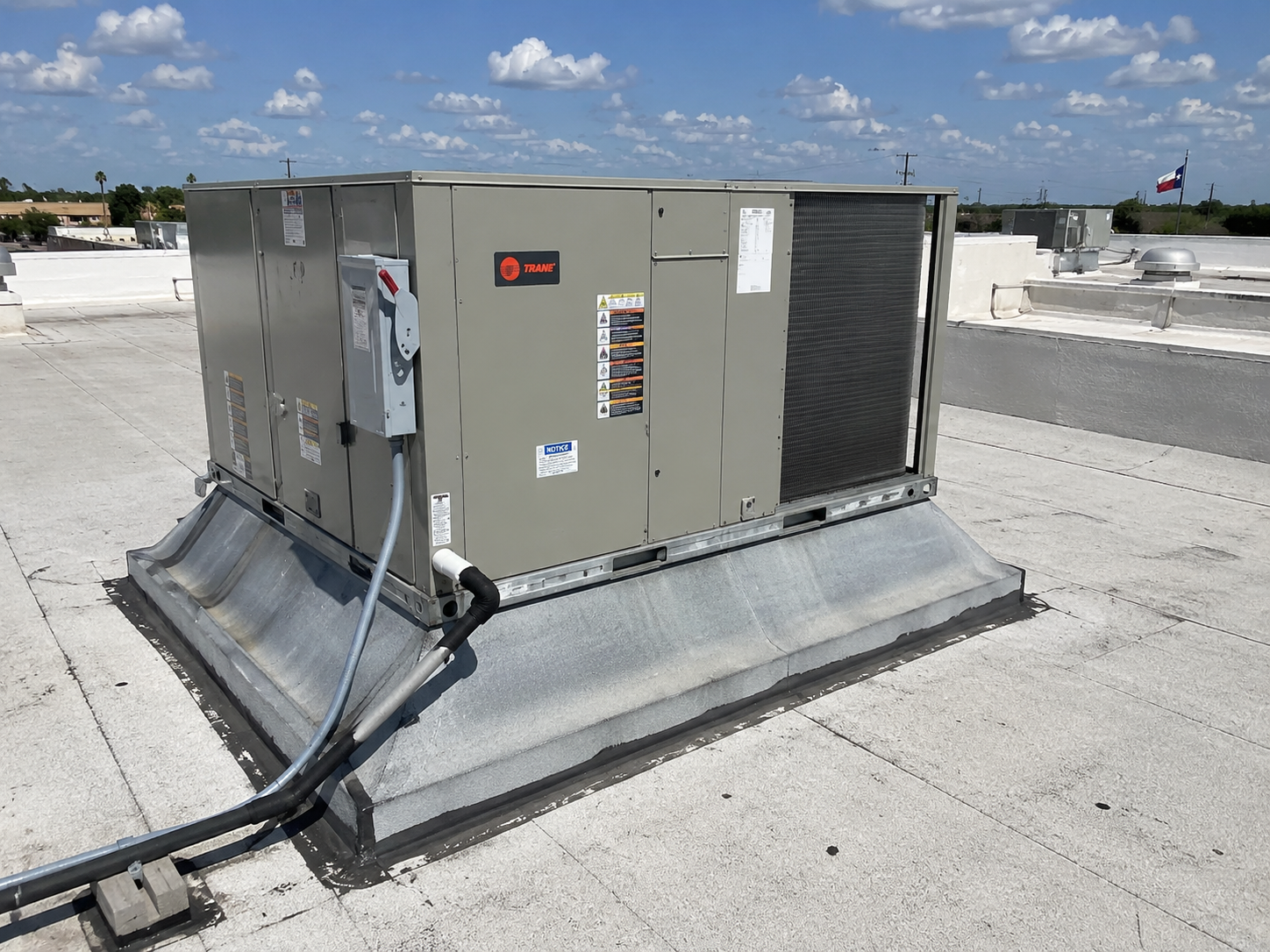
Like air conditioning systems, commercial refrigeration units use basic refrigeration cycles and components.
- Compressor – The compressor processes and compresses the low-temperature refrigerant, raising its pressure level and temperature.
- Condenser – The high-pressure refrigerant moves from the compressor to the condenser, where the heat is then released into the outside environment as warm air or water. It then condenses it into a high-pressure liquid.
- Expansion valve – The liquid refrigerant passes through a metering device or expansion valve.
- Evaporator – The refrigerant enters the evaporator and absorbs heat from the cooling space, then evaporates into a lower-pressure, lower-temperature gas.
The refrigerant gas returns to the compressor and the cycle repeats itself, circulating refrigerant through a cooling cycle of compression, condensation, expansion, and evaporation. Other commercial refrigeration components include the evaporator and condenser fans, a thermostat, and the refrigerant.
Commercial refrigeration Systems Need Maintenance
Twice-a-year professional maintenance (fall and spring) is recommended for your HVAC system. You also want your expensive commercial refrigeration units to last as long as possible; commercial refrigeration systems require maintenance to operate efficiently and extend their lifespans.
DIY Maintenance
- Condenser coils – This is a part of regular professional maintenance and may not be possible for some commercial refrigeration systems. If the condenser coils are dusty:
- Unplug the unit.
- Remove the grille to better expose the coils.
- Use a vacuum cleaner brush attachment to gently clean the coils.
- Put everything back where it was and turn the unit back on.
- Door seals – Keep your door seals clean with a mixture of baking soda and water, and use a toothbrush for “deep cleaning” if food/dirt gets stuck in the seal. Every month, put a dollar bill in the unit’s doorframe, then shut the door. Try pulling the bill out. If it slides out easily, your door seals may need repair or replacement.
- Temperature – You could do this at home, too. Simply put a thermometer inside the unit and regularly check it. Commercial refrigerator systems have different temperature requirements, so refer to your manual for the correct operating temperature. If it’s too low, call your local commercial refrigeration company.
- Thermal mass – A commercial refrigeration system operates more efficiently if it is full. Consistently half-empty shelves or space could indicate you need a small refrigeration unit. But overloading your unit could strain the system; avoid cluttered stacking.
- Unit sanitation – The outside of your commercial refrigeration unit should be kept clean for the sake of appearance. But the inside storage area should be kept clean at all times for safety and operating efficiency. Use a mild dish soap-and-water solution to clean surfaces and use a vinegar-water solution to clean glass.
4 Signs You Need Commercial Refrigeration Repair
You should have a maintenance agreement with your area’s trusted commercial refrigeration service company. But there are indicators that you need commercial refrigeration repair service:
- Excessive frost/condensation – This means you’re not cooling at a consistently safe temperature. You can try to adjust the temperature settings, but it’s best to request a repair call to avoid the risks of downtime.
- Expiration issues – If food or other products “go bad” before they should, you likely have a temperature control problem that needs attention. You can check the seals and the door gasket. But if food takes too long to reach the desired temperature or must be discarded too soon, seek local business refrigeration service.
- Frequent breakdowns – It could be as simple as dirty coils, but motor overheating can cause expensive problems. If your motor seems to run continuously or makes noise, seek professional commercial refrigeration service.
- Higher electric bills – Businesses especially pay careful attention to monthly energy bills. A sudden spike can indicate a refrigeration problem; your commercial system may be working harder to do its job.
Country Air is the most trusted cooling and heating company in Northwest Harris County. Businesses know they can depend on honest, knowledgeable service for their commercial refrigeration systems. Our cooling professionals have a minimum of 3 years’ experience and are EPA Universal Section 608-certified. This means we are trained to work with all commercial refrigerants and units. Contact Country Air to learn more.
FAQs
Two questions we receive about Tomball commercial refrigeration solutions are
A: It’s important that you track energy consumption for your business because the expense can vary substantially between types of industries. For example, supermarkets may spend as much as half their energy on refrigeration alone. Factors to consider are:
- Age of the unit
- Content quantity
- Door openings/closings
- Room temperature
- Size of the system
- Sunlight
Some businesses request weekly or monthly checkups. Minimum maintenance is twice a year.